About
Data-driven intelligence for health systems
Senzo was founded on a simple conviction: health systems deserve the same quality of workforce intelligence that leading organizations in every other industry already have.
Healthcare first
Every decision we make starts with the question: does this serve health systems and the people who work in them?
Data-driven
We believe workforce decisions should be grounded in evidence, not intuition. Senzo exists to make that possible.
Simplicity
Powerful analytics shouldn't require a data science team. We build tools that operational leaders can use directly.
Trust
Healthcare data demands the highest standards of security and privacy. Senzo is both compliant and transparent.
Our story
Why Senzo exists
Senzo was founded on a simple conviction: health systems deserve the same quality of workforce intelligence that leading organizations in every other industry already have.
Healthcare lags other industries in workforce planning — not because the need isn't there, but because no one has built tools specifically for how health systems actually operate. EHRs weren't designed for it. HRIS platforms weren't built for it. Consulting engagements offer point-in-time snapshots, not continuous intelligence.
The people who understand both the clinical realities of healthcare and the disciplines of workforce modeling, operations research, and planning economics are rare. Senzo was built by someone who sits at that intersection — and who has spent years watching health systems make consequential staffing decisions without the intelligence they deserve.
There is no technical reason these tools shouldn't exist. Senzo is building them.
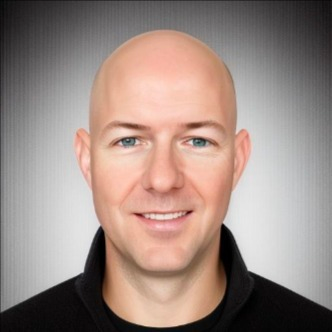
Robert Howie brings nearly two decades of experience and leadership at the intersection of healthcare operations, workforce economics, and data infrastructure - a combination rare enough that it shapes everything about how Senzo was built.
His career in health workforce began as an analyst where he saw firsthand how directly workforce decisions translate into real-world outcomes. Staffing capacity was not an abstract metric - it determined throughput and reach. That experience grounded his understanding of what workforce intelligence is actually for.
Rob has since had the opportunity to develop leading and comprehensive specialty-specific modeling frameworks covering all provincial medical specialties, building defensible projections and establishing health workforce intelligence reporting and analytics at provincial scale. His work required bridging clinical realities, operational constraints, and data systems that were never designed to talk to each other.
His career has also taken him into the medtech sector, where he oversaw the development of both infrastructure and software for a novel diagnostics platform processing breath and liquid samples through cloud-based analysis. He led two clinical trials and managed a regulatory affairs portfolio that successfully achieved IVD CE certification, deepening his understanding of how technology development intersects with healthcare's unique compliance and evidence requirements.
Across roles at organizations within Canada, Rob has worked on both the vendor and client sides of health workforce management, giving him an unusually complete view of where existing tools fall short and why.
Three design-partner places. Canada and the US.
Pulse on your own workforce data, monthly working sessions with the founder, first access to Forecast. Nothing invoiced for the partnership term.